How to Prepare Your Arizona Irrigation System for Summer
Summer in Phoenix is unforgiving. With temperatures consistently topping 100°F, your landscape's survival depends entirely on a reliable, efficient irrigation system. Is yours ready for the heat?
As we approach the hottest months of the year, now is the critical time to inspect, tune up, and adjust your watering schedule. A system failure in July can kill mature plants in a matter of days. Here is our comprehensive checklist to ensure your desert oasis survives and thrives this summer.
1. Inspect for Leaks and Broken Heads
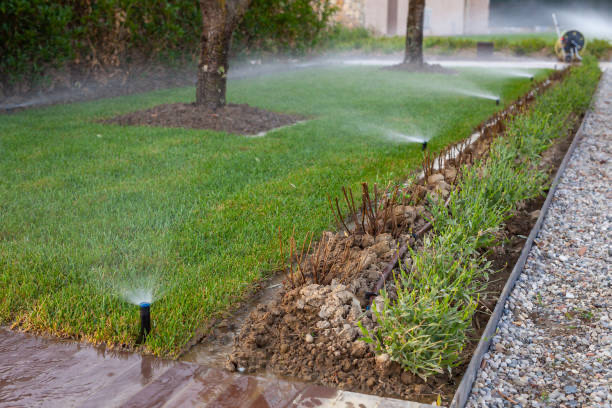
Start by running a manual test of every zone. Walk your property while the system is running and look for:
- Geysers: Broken spray heads shooting water into the air.
- Flooding: Pools of water forming around heads or valves, indicating leaks.
- Dry Spots: Areas where plants are wilting, suggesting clogged nozzles or poor coverage.
Even a small leak can waste thousands of gallons of water and spike your utility bill. If you notice any issues, schedule a professional sprinkler repair immediately before the heat intensifies.
2. Adjust Your Watering Schedule
Winter watering schedules will not suffice for summer. You need to increase both the frequency and duration of watering.
- Lawns: Bermuda grass needs deep watering 3-4 times a week during peak heat.
- Trees & Shrubs: Deep, infrequent watering promotes deep root growth. Water citrus and desert trees deeply every 7-14 days.
- Time of Day: Always water early in the morning (between 3 AM and 6 AM) to minimize evaporation and wind drift.
Consider upgrading to a smart controller that automatically adjusts for local weather conditions, saving you the hassle of manual reprogramming.
3. Check Your Drip System
Drip emitters can easily get clogged by mineral deposits from our hard water. Check that each emitter is dripping properly.
Also, ensure the emitters are placed at the "drip line" (the outer edge of the plant's canopy), not right at the trunk. As plants grow, you may need to move or add emitters. Learn more about our drip system repair services.
4. Flush Your System
Debris and sediment can build up in your lines over winter. Remove the end caps from your drip lines and flush them for a minute or two until the water runs clear. This simple step prevents clogged emitters and uneven watering.
5. Verify Pressure Regulator Function
High water pressure can mist or fog your sprinklers, causing water to drift away in the wind rather than landing on your lawn. If you see misting, your pressure regulator might be failing. Valve repair and pressure regulation are key to efficient water use.
Free Arizona Watering Guide
Don't guess! Get our expert seasonal schedule to keep your plants alive and save money on water.
Need a Professional Tune-Up?
Don't want to brave the heat yourself? Our Summer Maintenance Package includes a comprehensive 24-point inspection, controller programming, and minor adjustments to get you ready for summer.
View Maintenance PlansConclusion
Preparation is the key to a healthy summer landscape. A few hours of maintenance now can save you hundreds of dollars in dead plants and wasted water later.
If you're unsure about the state of your system, don't guess. Contact Arizona Irrigation Repair today for a professional assessment.
Related Articles
Winter Watering Guide for Phoenix Homeowners
Learn how to adjust your irrigation schedule for cooler weather.
Top 5 Irrigation Problems in Scottsdale
Common issues Scottsdale homeowners face and how to solve them.
Gilbert Homeowner's Guide to Drip Irrigation
Everything Gilbert residents need to know about efficient drip systems.