Drip Irrigation vs. Traditional Sprinklers: What's Best for Arizona?
In the desert, water is precious. Choosing the right delivery method for your plants isn't just about convenience—it's about survival and efficiency.
When designing or upgrading a landscape in Phoenix, one of the most common questions we get is: "Should I use drip irrigation or regular sprinklers?" The answer depends entirely on what you are growing. Most Arizona landscapes actually need a hybrid approach. Let's break down the differences.
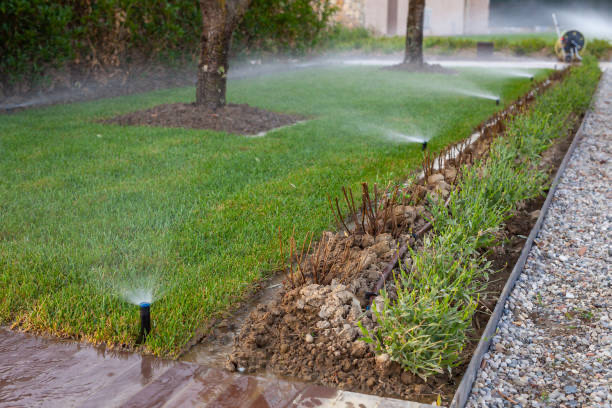
Traditional Spray Sprinklers
Best For: Lawns (Bermuda, Rye), ground cover, and large flower beds.
Pros:
- Covers large areas quickly.
- Visual confirmation that the system is working (you can see the water).
- Creates a cooling effect for the immediate area.
Cons:
- High evaporation rate, especially in summer.
- Susceptible to wind drift (watering the sidewalk instead of the grass).
- Can cause fungal diseases on foliage if not timed correctly.
If you have a lush green lawn, you need a well-designed sprinkler system with head-to-head coverage.
Drip Irrigation
Best For: Trees, shrubs, cacti, succulents, and vegetable gardens.
Pros:
- Efficiency: Delivers water directly to the root zone with minimal evaporation.
- Precision: You can tailor the flow rate (0.5 GPH, 1 GPH, etc.) to each specific plant's needs.
- Weed Control: Since you only water the plant, not the surrounding soil, fewer weeds grow.
Cons:
- Harder to spot leaks or clogs since the system is often buried or hidden.
- Requires regular maintenance to check for clogged emitters.
- Plastic lines can be damaged by rodents or digging.
For the vast majority of desert landscaping (xeriscaping), drip irrigation is the superior choice. It mimics the slow, deep soaking that desert plants crave.
The Hybrid Approach
Most Phoenix homes have a mix of turf and desert landscaping. Therefore, the ideal system uses separate zones (valves) for each:
- Zone 1 (Sprinklers): Front lawn.
- Zone 2 (Sprinklers): Back lawn.
- Zone 3 (Drip): Trees and large shrubs.
- Zone 4 (Drip): Pots and vegetable garden.
Separating these zones is crucial because grass needs frequent, shallow watering, while trees need infrequent, deep watering. Mixing them on the same valve will result in either dead grass or root-rotted trees.
Need a System Redesign?
If your current system has mixed zones or isn't efficient, we can help. We specialize in retrofitting older systems to modern, water-saving standards.
Request a QuoteConclusion
There is no "one size fits all" answer. The right system uses the right tool for the job: sprinklers for grass, drip for everything else. By optimizing your system this way, you'll save water, money, and keep your plants healthier.
Related Articles
Drip Irrigation vs Traditional Sprinklers
Which system is right for your desert landscape?
Gilbert Homeowner's Guide to Drip Irrigation
Everything Gilbert residents need to know about efficient drip systems.
.jpeg)
Why Drip Irrigation is Best for Desert Plants
Discover why drip irrigation is the most efficient way to water.